Table of contents
Decorating with vintage pieces brings character and timeless charm to any space, but choosing the perfect item for your home requires a discerning eye and thoughtful consideration. Each vintage find tells a story and can become a focal point that elevates your interior design. Explore the following guide to discover how to select the ideal vintage piece that reflects your style and complements your living environment.
Understanding your design vision
Before searching for the perfect vintage décor, it makes sense to clarify your interior design vision to guide your choices with intention and confidence. Start by examining your current home style and considering what atmosphere you wish to cultivate—whether that means an eclectic, cozy space or a more refined, minimalist environment. One effective strategy to define your taste involves collecting visual inspiration from magazines, online galleries, or social media platforms. Creating mood boards can help you visually organize your preferences and identify recurring themes or colors, making it easier to spot pieces that will enhance your desired look. The process of editing and compiling these references supports the goal of achieving visual harmony, which refers to the way various elements—such as color, texture, and shape—complement one another within a room, producing a balanced and pleasing effect.
Pay close attention to your existing décor, noting dominant materials, color schemes, and architectural features. This awareness ensures any vintage décor you select will integrate seamlessly into your home style rather than feeling out of place or overwhelming. When ready to begin your search, resources like The Auctionlab offer an extensive selection of unique vintage pieces, which allows you to filter options that align with your refined vision. By grounding your shopping journey in a clear, cohesive interior design plan, you help guarantee that every addition supports your overall inspiration and enhances the beauty of your living space.
Assessing quality and authenticity
When selecting vintage furniture, conducting a thorough quality check is vital for ensuring that each piece adds genuine antique value to your home. Begin by inspecting the materials used; authentic vintage furniture often features solid woods, traditional joinery, and hand-forged hardware, while reproductions may utilize composite materials or mass-produced components. Examine the craftsmanship closely, looking for telltale signs such as dovetail joints, hand-carved details, and variations that indicate handwork rather than machine production. Age plays a significant role—scrutinize the wear patterns, which should be consistent in areas that would naturally experience use over decades.
Authenticity is often verified through provenance, so look for maker’s marks, labels, or documentation tracing the item’s history. When it comes to patina, this technical term refers to the natural sheen and coloration that develops on surfaces over time, offering clues about the piece’s age and use. Genuine patina should appear as a soft, uneven luster rather than an artificially uniform finish. To avoid modern reproductions, research manufacturer details and compare features against reputable references. Each of these steps ensures that your chosen vintage furniture not only elevates your living space but also represents authentic design and enduring value.
Evaluating function and practicality
Selecting a vintage piece for home use demands careful consideration of both its aesthetics and its functionality. While an item may capture attention with unique charm, practical aspects such as condition and usability should weigh equally in the decision-making process. Start by inspecting the structural integrity of the vintage piece; examine joints, surfaces, and moving parts for signs of damage or wear that could compromise daily use. Test drawers, hinges, or any mechanical elements to verify smooth operation, and check whether original or replacement hardware meets present-day safety and utility standards. Maintenance is another key factor—some items may require specialized care to preserve their appearance and ensure longevity, so consider whether you are prepared for regular upkeep or occasional restoration work.
A fundamental concept guiding this evaluation is ergonomics, a term describing how design aligns with human comfort and efficiency. For home use, assess whether the vintage piece supports natural movement and posture; for example, a chair should provide adequate support at the correct height, and a desk should accommodate modern activities without causing strain. This balance between physical comfort and historical allure sets the groundwork for practicality. By applying a checklist that includes condition, usability, ergonomic suitability, and maintenance requirements, the integration of a vintage piece will enhance both the visual appeal and day-to-day livability of interiors, ensuring a harmonious blend of style and comfort.
Matching scale and proportions
Selecting vintage finds that complement your room size and interior layout requires careful attention to scale—a design principle that describes the relative size of objects within a space. Start by measuring the dimensions of your room, doorways, and any architectural features that may affect placement. Bringing a tape measure and noting exact furniture measurements will help avoid the common pitfall of choosing pieces that are either too imposing or noticeably diminutive. To effectively visualize proportions, use painter’s tape or cardboard cutouts in the desired location to represent the vintage item’s footprint. This simple method offers a realistic sense of how the piece will interact with other furnishings and open areas, supporting a balanced interior layout. Always consider the visual weight of the object alongside its actual size, aiming for harmony rather than crowding, and remember that maintaining consistent scale throughout the space contributes to a cohesive and inviting atmosphere.
Blending old with new
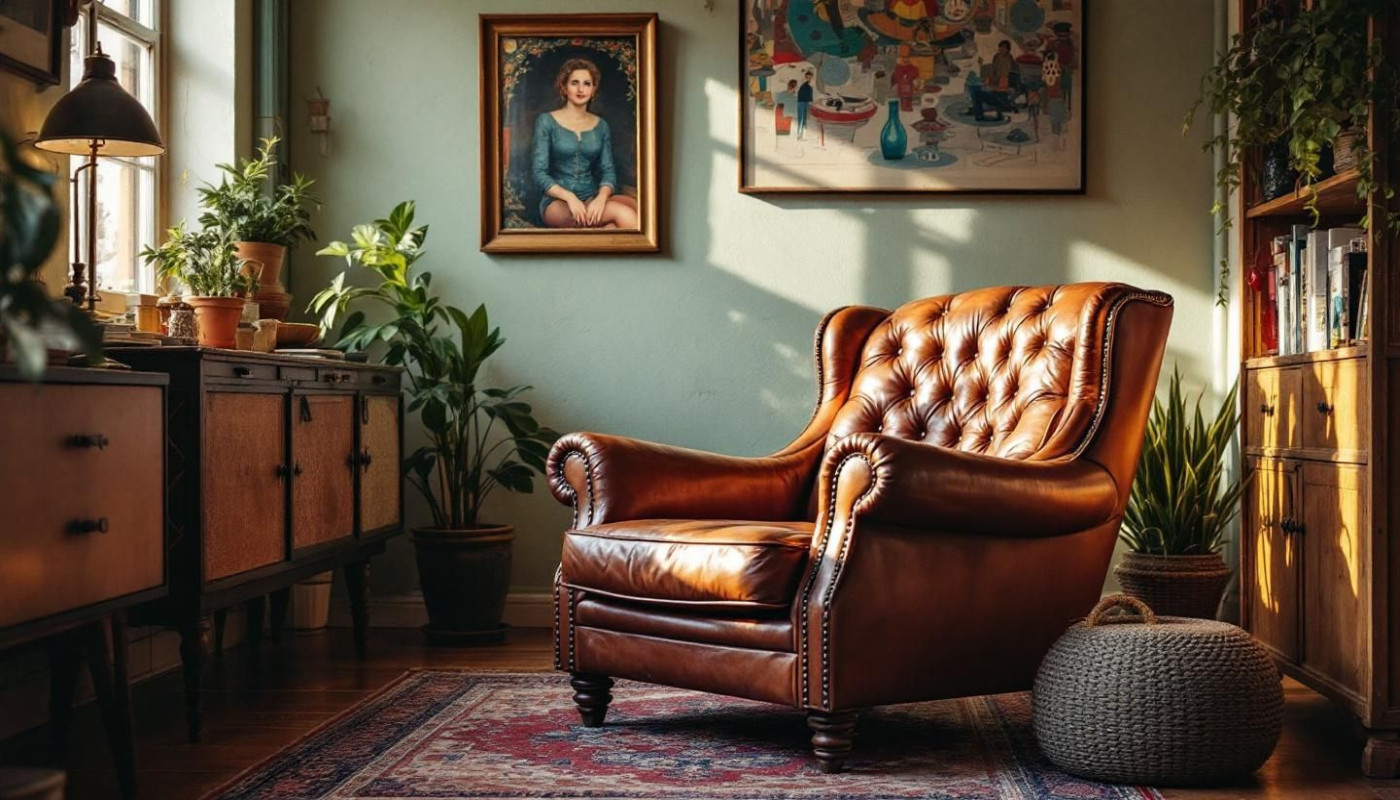
Curating an eclectic home that confidently blends vintage style with modern decor requires strategic planning and a keen eye for balance. Begin by selecting a vintage piece that serves as a focal point, whether it is a mid-century armchair, an ornate mirror, or a retro lamp. Surround this centerpiece with streamlined contemporary furnishings to allow contrast, yet maintain a sense of harmony. This mix and match approach creates visual interest, especially when layering textures, such as pairing velvet upholstery with sleek metal accents or rustic wood with polished glass surfaces. The technical term juxtaposition refers to the intentional placement of contrasting elements side by side to highlight their differences and create a dynamic visual narrative. Integrating vintage treasures with minimalist lines, neutral palettes, and modern artwork ensures cohesion. Unify the space by repeating accent colors or materials throughout the room, which ties diverse pieces together and prevents the arrangement from feeling disjointed. Mastering these techniques allows any home enthusiast to achieve a sophisticated and timeless look that celebrates both history and contemporary design in equal measure.
Similar articles

How Subscribing To Online Stores Can Save You Money On Bath Accessories

Exploring The Impact Of Graffiti Art On Modern Home Decor Trends

A Guide To Choosing Art Pieces That Compliment Minimalistic Interior Designs

Discovering the Wonders of Biophilic Design in Modern Homes

Exploring the Impact of Minimalist Design in Everyday Living
